
Understand the defensive distinction first
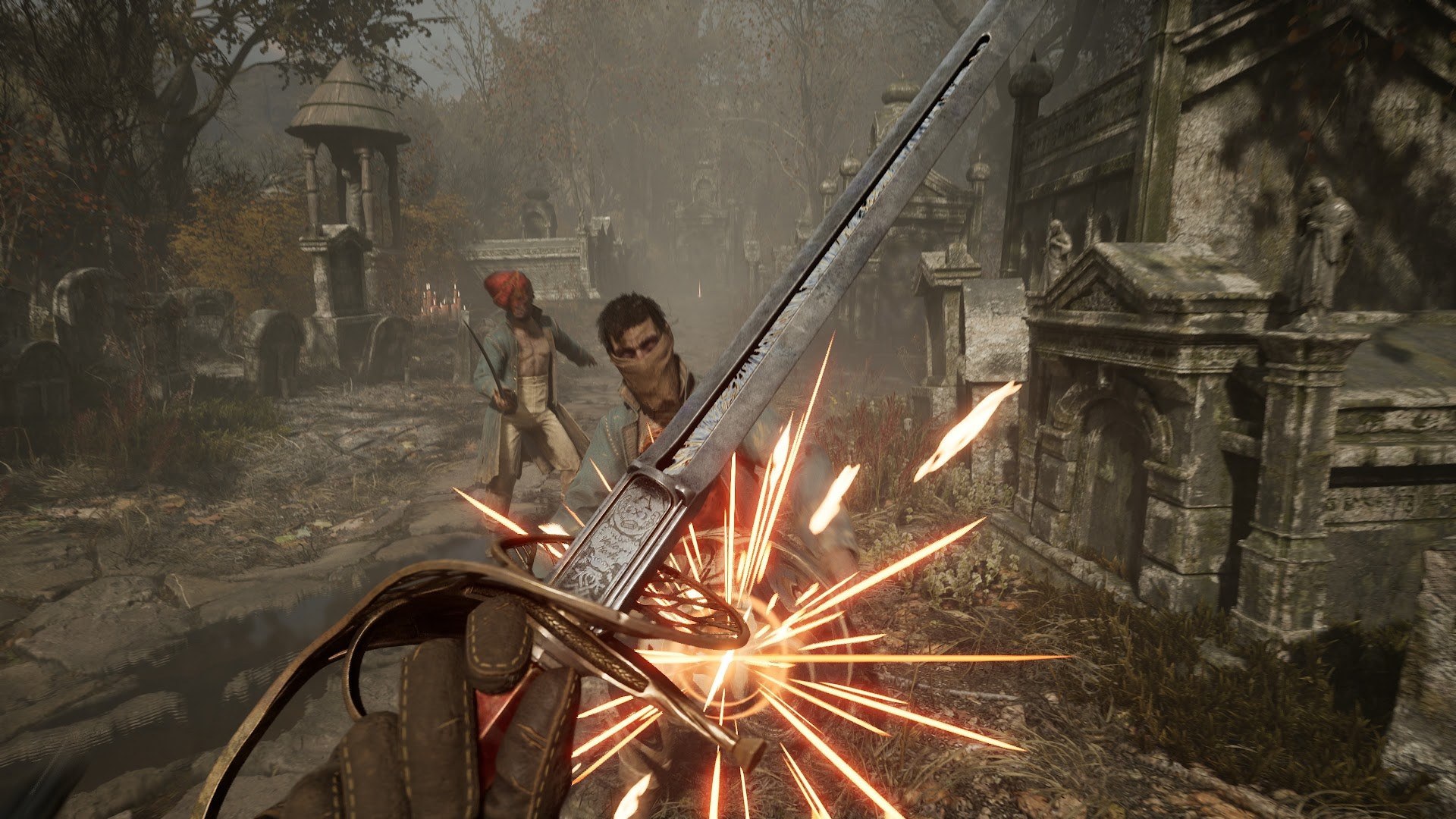
Blocking and parrying are separate actions in the developer’s explanation of combat readability. The studio describes work to make their visual and audio feedback easier to distinguish, which helps explain why their difference matters. The rapier makes that distinction particularly concrete because its described defence depends on a parry rather than a block.
The hands-on preview independently contrasts that weapon with the sabre’s blocking role. This supports a useful comparison of options available in the shown build without ranking every blade by a fabricated damage number. It also prevents advice written for a blocking weapon from being applied unchanged to the rapier.
Combine systems without inventing a combo chart
The official overview connects swords, firearms and magic with progression and exploration. That is a broader toolkit than a single attack sequence, and it explains why the game’s combat needs more than one weapon description. The published material supports the existence of those choices but does not supply a tested optimal sequence for each enemy.
A clear combat explanation can still describe the actions and the equipment tradeoffs. Parries, movement and finishers remain the named foundations, while abilities and ranged weapons add other tools. The following sections keep those confirmed foundations distinct from a numerical guide that the collected evidence cannot support.
Parries, dashes and finishers
The developer identifies parries, dashes and finishers as core combat actions. These mechanics sit alongside melee attacks, ranged weapons and powers rather than forming separate game modes. Knowing which defensive action is available with the equipped weapon matters, particularly when comparing a blade that can block with one that depends on precise parries. The reliable distinction is between the described actions and weapon restrictions, rather than an assumed timing rule borrowed from an unrelated action game.
An official combat update explains that players found some defensive cues difficult to read in the early playtest. The team described work on attack windups, pre-attack audio and clearer distinctions between blocking and parrying. Those changes explain the focus of development without supplying a numerical parry window or a promise about the timing of every attack. The source is a development explanation, which makes its stated changes useful context even when a recording shows an earlier version of the interface.
The rapier has a distinct defensive tradeoff
The July demo announcement describes the rapier as a weapon that cannot block. Its defensive option is a correctly timed parry, while its attacks can strike enemy weak points without requiring a firearm. These are meaningful differences in how the weapon works, rather than evidence that it is always stronger than another blade. The comparison is therefore about available actions and the cost of choosing them, not a tested calculation of damage for an entire campaign.
Game Informer independently observed the distinction between the sabre and rapier in a hands-on preview. The writer described the sabre as an option for general damage and blocking, and the rapier as a way to target weak points at the cost of blocking. That agreement supports the weapon roles shown before release, while keeping demo observations separate from a final-game damage comparison. Both references identify the defensive tradeoff, which is the relevant shared detail rather than an unsupported claim that the preview settles every balance question.
Rebinding and target lock
Keyboard rebinding is explicitly discussed in the official combat development update. Players had reported that the old Ctrl and Alt controls could feel uncomfortable, and the studio said it would reconsider the defaults. The same post highlights mouse side buttons as an alternative for blocking or dodging, so a player’s own comfortable mapping is part of the supported control approach. That is practical input information confirmed by the studio, without requiring every player to copy the same keys from an old demonstration.
Target lock and camera behaviour were another focus of the update. The team described plans for better tracking, smarter target priority and a range that accommodates both melee and ranged combat. Those statements confirm the system under discussion, without turning an old demo layout into a complete table of final keyboard and controller bindings. A recorded target-lock change concerns camera handling, whereas a binding concerns the input used to trigger it, and the update addresses both questions.
Character, weapon and power progression
The September gameplay overview confirms progression for swords, firearms and magic. It also presents dual-wielding as part of the combat system and connects equipment with the broader adventure. A weapon choice therefore belongs to the same overall progression as William’s other tools, rather than standing alone as an isolated damage number. The published overview explains what develops during the adventure, making it a useful reference for comparing equipment choices with the rest of the game.
Prelaunch coverage describes separate advancement for the character and weapons, with Lanterns serving as important points for character improvement. The confirmed distinction is between improving William and developing the equipment he uses. Exact material costs, maximum levels and a complete purchase order are not needed to explain that structure, and none are treated as established here. This separates the confirmed progression categories from the detailed upgrade instructions that would require a complete, consistently documented version of the material and node system.
The announced difficulty approach
In an interview published by Insider Gaming, One More Level said Valor Mortis would not have selectable difficulty levels on release day. The studio described its intended challenge as demanding while rewarding persistence and skill. Its recommendations emphasised perfect parrying and aggressive direct combat, explaining the kind of mastery the game is designed to encourage. The answer comes from a direct studio interview, so the absence of a launch difficulty selector is more than an inference from an early test.
The developer’s demo-feedback update also addressed combat readability, boss variety and the difficulty curve. These topics show that a fixed difficulty does not mean the team ignored balance feedback. They describe areas being refined during development, rather than a separate easy mode or a numerical comparison with another Soulslike’s difficulty. Keeping the launch policy separate from ongoing balancing work makes both statements understandable without assigning a difficulty setting that the studio never announced.
General Lothaire’s chapter placement
General Lothaire is a boss explicitly identified in the developer’s written updates. He appeared at the end of Chapter I in the Steam demo, after a short introduction to the combat system. The studio acknowledged feedback that this encounter was unforgiving for players who were still learning how a first-person Soulslike handles defence and positioning. The discussion identifies the encounter by name and by its position in the playable slice, supplying a concrete reference for the balance feedback.
For the full game, the developer places Lothaire at the end of Chapter II. Its explanation is that the player will have spent more time with the mechanics and progressed further before meeting him. That change is concrete information about the difficulty curve, although it does not supply his final health, a list of phases or an exact attack-by-attack strategy. Its confirmed location is enough to correct the order shown in a demo walkthrough without inventing a new explanation of the boss’s narrative role.
Official gameplay overview
Sources and further reading
- 3 things we are working on to improve combat in Valor Mortis
- Valor Mortis Demo is BACK for Summer events!
- Valor Mortis hands-on preview — Game Informer
- Valor Mortis — One More Level
- New Gameplay Overview Trailer and Official Voice Cast Reveal
- 15 Things to Know — GamingBolt
- Difficulty interview — Insider Gaming
- Responding to the biggest feedback from the Demo
- The Final Stretch - Development Update